
Dining Out with Dysphagia: Practical tips for safer and enjoyable mealtime experiences
One of the first things many people tell me after a dysphagia diagnosis is, "I don't go out to eat anymore." Honestly, I understand why. Eating out can suddenly feel complicated. There might be concerns about coughing in public, uncertainty about which foods are safe, or the feeling of not wanting to inconvenience others by asking for modifications. Before long, some of life’s simplest pleasures can slowly begin to disappear, coffee catch-ups with friends, birthday celebrations, lunch dates, dinner with loved ones…
But what if dysphagia didn't have to mean giving up these things?
Food has always been more than just nutrition.
It’s connection
It’s culture
It’s comfort
It’s celebration
It’s belonging.
While dysphagia may change how we approach mealtimes, it does not mean we have to stop participating in the moments that matter most.
The impact of dysphagia extends beyond swallowing
Research consistently shows that dysphagia affects much more than a person's physical health. People living with swallowing difficulties often describe changes in their social lives, emotional wellbeing, and overall quality of life. Ekberg and colleagues (2002) found that individuals with dysphagia frequently experienced embarrassment during meals, reduced enjoyment of eating, and social isolation related to their swallowing difficulties.
As speech pathologists, we care deeply about swallowing safety, but we also recognise that quality of life matters. The goal isn't simply to avoid risk. The goal is to help people continue engaging in the activities, relationships and experiences that bring meaning to their lives.

But what if I want to go out?
A little planning can go a long way. Planning ahead doesn't take away spontaneity. Often, it creates the confidence needed to say “yes” to the invitation.
Some simple strategies include:
Looking at the menu online beforehand.
Choosing restaurants you have visited successfully before.
Dining during quieter periods.
Calling ahead if you have questions about meal preparation or options.
Letting family members know how they can support you.
Sometimes confidence comes from knowing what to expect.
But what if I don’t know what to order?
Start with what already works for you. Everyone's swallowing needs are different. What feels safe and manageable for one person may not be appropriate for someone else.
Before dining out, consider:
Which foods have I been enjoying successfully at home?
Are there particular textures I find difficult?
What strategies has my speech pathologist recommended?
What can I modify independently? What might I need help with?
A clear understanding of your swallowing needs can provide the confidence to make safe choices without losing the enjoyment and flexibility that dining out can offer.
But what if I have to ask for changes?
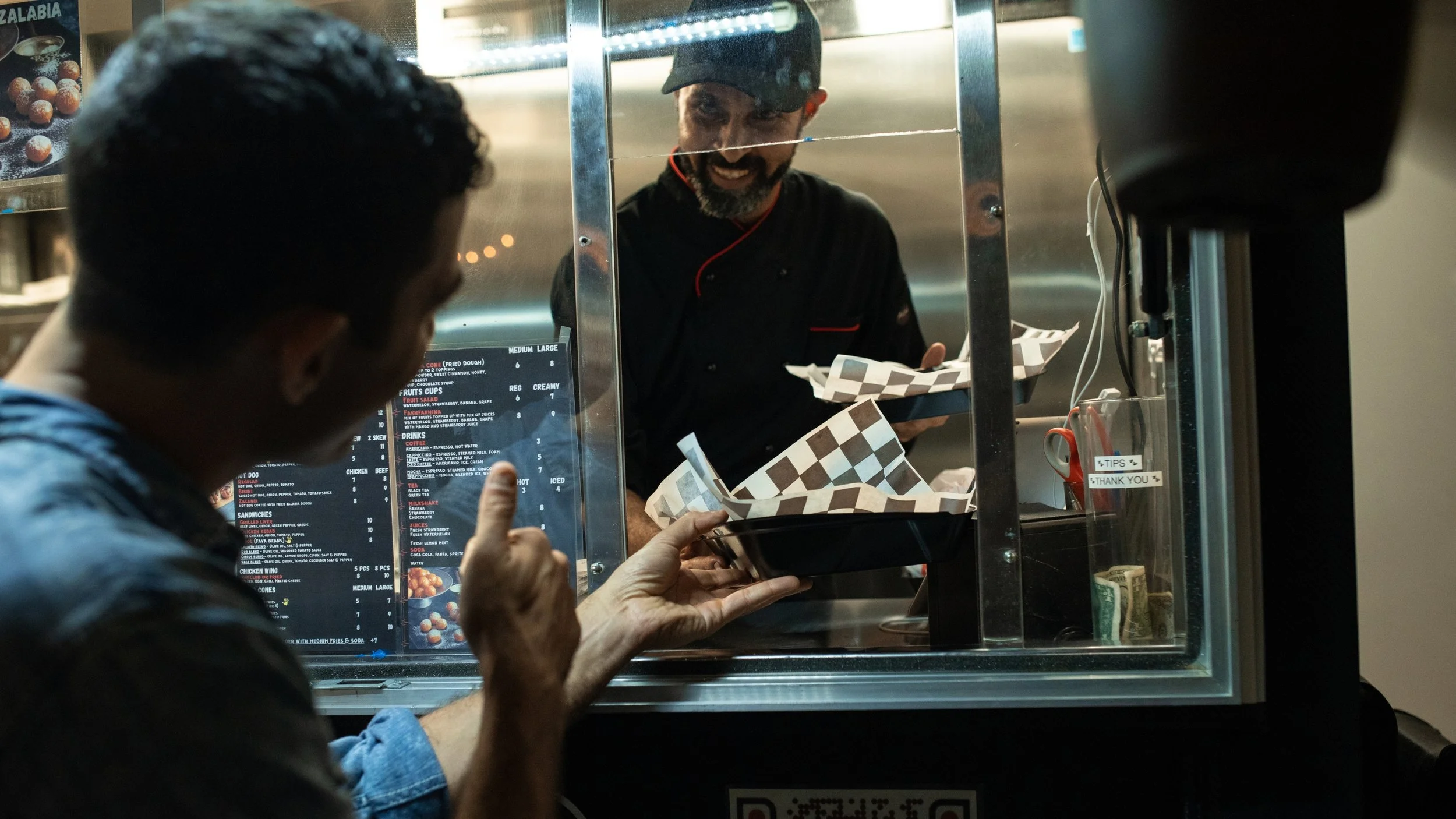
Your needs matter, and it's okay to speak up. If a menu item looks appealing but doesn't quite match your swallowing recommendations, don't be afraid to ask if it can be adjusted. Simple changes like adding extra sauce, serving ingredients separately, or swapping a side dish can make a meal easier and more enjoyable. Small changes can make a big difference. Most restaurants accommodate requests every day, and many are happy to help when they understand what you need.
Examples of what you might say include:
"Could I please have some extra gravy on the side?"
"Would it be possible to swap the chips for mashed potato?"
"Can you tell me if the meat is tender or slow-cooked?"
"Could the dressing be served separately?"
"Would it be possible to have the vegetables cooked a little softer?"
“Can you help me find some softer food options on your menu?”
But what if eating is exhausting?
For some people, eating itself can be hard work. This may be particularly relevant for individuals living with Parkinson's disease, motor neurone disease, dementia, or age-related frailty.
If fatigue impacts your mealtime experience, consider:
Going out earlier in the day.
Choosing shorter outings.
Allowing extra time to eat.
Avoiding scheduling meals after busy appointments.
Sometimes, changing the timing changes everything.
But what if...?
What if I cough while eating?
Pause.
Take your time.
Use the strategies recommended by your speech pathologist.
What if there isn't anything suitable on the menu?
Ask whether modifications are possible.
If not, perhaps you enjoy a drink, focus on the conversation, and use the experience to guide future venue choices.
What if people stare?
This is a concern I hear often. Research has shown that embarrassment and self-consciousness can influence social participation for people living with dysphagia. If this resonates with you, please know that you're not alone.
Your needs are valid. You deserve to participate. Supporting your swallowing needs is nothing to be ashamed of.
Remember what the outing is really about!
Modern dysphagia care increasingly recognises the importance of person-centred practice, shared decision-making, dignity, autonomy and participation. Safety remains important… but sometimes, the most meaningful part of the meal isn't what is on the plate.
It is…
Celebrating a birthday.
Hearing about your grandchild's latest adventure.
Catching up with an old friend.
Sharing a laugh over coffee.
Simply being present.
Success doesn't always look like finishing every bite. Sometimes, success looks like showing up.
How speech pathologists can help?
Speech pathologists can support people to:
Understand their swallowing recommendations
Identify suitable food options
Navigate and work through challenging situations
Build confidence eating outside the home
Balance safety with quality of life
Support informed decision-making around mealtimes
Final thoughts
For many people, dysphagia begins with a series of questions. What if I cough? What if there isn't anything I can eat?What if people stare?
But perhaps there is another question worth asking.
What if I still went?
What if the coffee catch-up was worth it?
What if the conversation mattered more than the menu?
What if the laughter, connection, and memories were still waiting for me?
A dysphagia diagnosis may change how we approach meals, but it does not have to take away the moments that make them meaningful. Whether it's brunch with friends, celebrating a family milestone, visiting your favourite local café, or simply being part of the conversation, these experiences still matter.
With the right support, thoughtful planning, and a willingness to adapt, dining out can continue to be a source of connection, enjoyment and independence.
Because everyone deserves a seat at the table.
References
Ekberg, O., Hamdy, S., Woisard, V., Wuttge-Hannig, A., & Ortega, P. (2002). Social and psychological burden of dysphagia: Its impact on diagnosis and treatment. Dysphagia, 17(2), 139–146.
Cichero, J. A. Y., Lam, P., Steele, C. M., Hanson, B., Chen, J., Dantas, R. O., et al. (2017). Development of International Terminology and Definitions for Texture-Modified Foods and Thickened Fluids Used in Dysphagia Management: The IDDSI Framework. Dysphagia, 32, 293–314.
Written by Riddhi Mitra
Speech Pathologist
NETWORK SPEECH PATHOLOGY
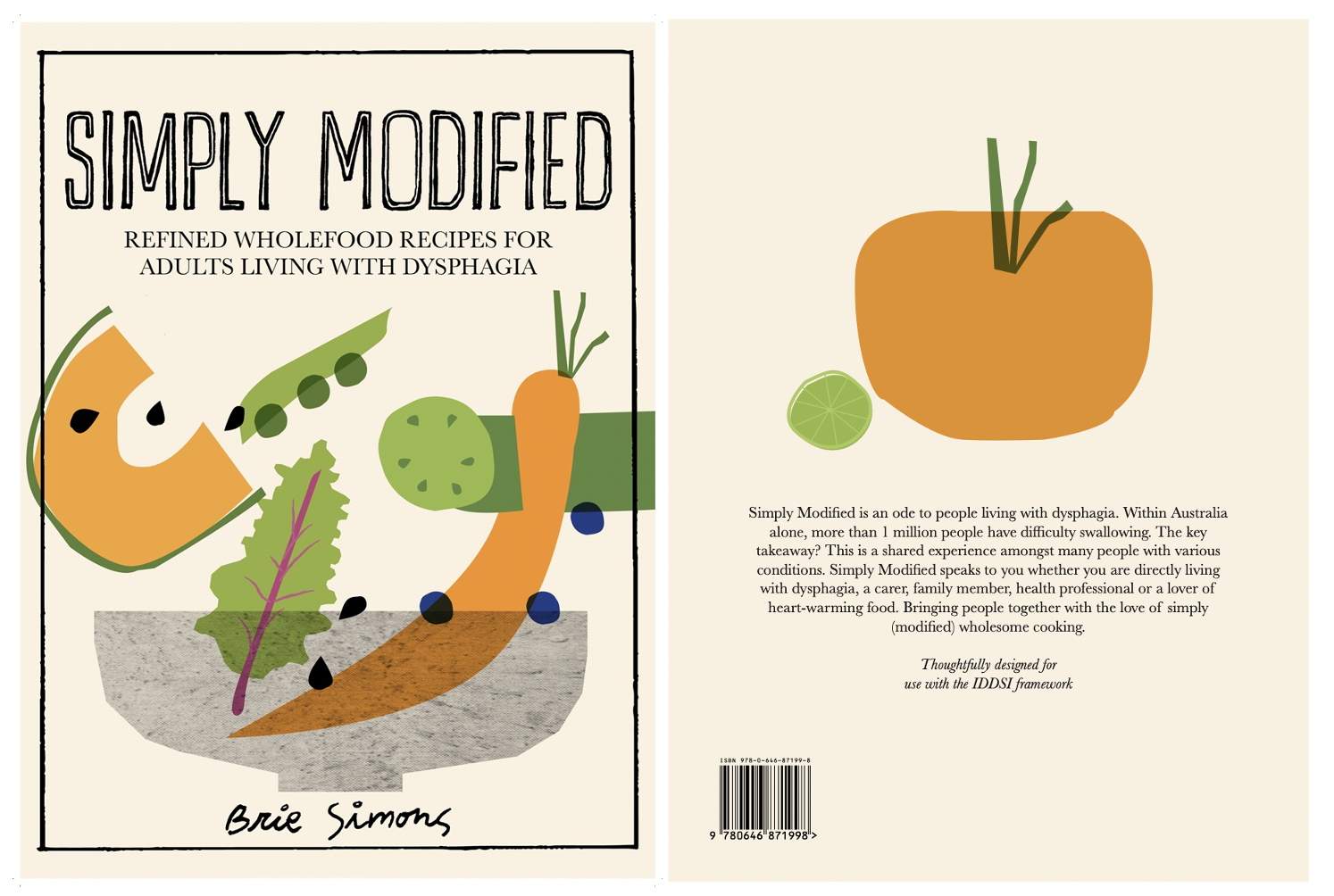
Purchase a copy of Simply Modified.
Written by Speech Pathologist Brie Simons. Including over 50 delicious recipes, with instructions to simply modify meals, making them easy to chew, soft and bite sized, minced and moist, or pureed.
It’s time to fall in love with food all over again…