Eating and Swallowing in Adults with Down Syndrome: A guide for families and carers
Down syndrome is a genetic condition caused by an extra copy of chromosome 21, affecting both brain and body development. It is the most common chromosomal cause of intellectual disability, occurring in approximately 1 in 700 live births worldwide. People with Down syndrome experience lifelong developmental differences and are at higher risk of certain health conditions, including gastrointestinal disorders.
Advances in medical care and early intervention have significantly improved life expectancy and quality of life, with many individuals now living into their 60s and beyond. Despite these gains, swallowing difficulties remain common and may require ongoing support from healthcare professionals.
Understanding Dysphagia in Down Syndrome
Dysphagia refers to difficulties with any part of the swallowing process, including the oral, pharyngeal, or oesophageal stages. It can place individuals at risk of choking, aspiration (food or liquid entering the lungs), dehydration, malnutrition and discomfort. Adults with Down Syndrome may develop these difficulties earlier than the general population, making early identification, and ongoing support.
How Oral-Motor Development Differs
Reduced muscle tone (hypotonia)
What this means: Reduced muscle tone, or hypotonia, means the muscles of the lips, tongue, cheeks and throat may feel less firm and less responsive. They may not tighten, lift, or coordinate as strongly or as quickly as needed for efficient chewing and swallowing. Eating requires precise, well-timed muscle movements, and when muscle tone is lower, these movements can take more effort and more time.
How this can look like: In everyday life, this might look like food slipping from the mouth, difficulty keeping the lips closed around a spoon or cup, or chewing that seems slow and effortful. The jaw may tire easily, especially with tougher foods such as meat or crusty bread. You might notice coughing, throat-clearing, or a wet-sounding voice after swallowing. Some adults may need extra time to move food to the back of the mouth, or may leave small amounts of food behind after swallowing.
Delayed or uncoordinated oral motor development
What this means: “Oral motor” refers to how the muscles of the mouth work together. Chewing and swallowing require the tongue to move food from side to side, the jaw to open and close rhythmically, and the cheeks to keep food positioned between the teeth. In some adults with Down syndrome, these movements may be slower, less coordinated, or less efficient, which can affect how well food is prepared for swallowing.
How this can look like: This may look like prolonged chewing without forming a smooth, manageable ball of food (sometimes called a bolus). A person might swallow small pieces before food is fully chewed, hold food in their cheeks (often called “pocketing”), or need reminders to continue chewing. Some people take multiple swallows to clear one mouthful. Meals may take longer, and the person may appear tired or distracted before finishing.
Structural differences in the mouth and face
What this means: Some adults with Down syndrome have structural differences that can affect eating. These can include a smaller oral cavity (less space inside the mouth), a high or narrow palate (the roof of the mouth), a lower jaw that sits further forward (protruding mandible), or a smaller upper jaw (hypoplastic maxilla). These differences can influence how the tongue moves and how the teeth come together for chewing.
How this can look like: You might notice difficulty biting evenly into foods, food collecting on the roof of the mouth, or challenges managing mixed textures such as cereal with milk or chunky soups. Some adults may prefer softer foods because they are easier to manage. Others may experience increased drooling or find certain textures uncomfortable. While structural differences do not automatically cause swallowing problems, they can make eating more effortful and sometimes more tiring.
Common Dysphagia Characteristics in Down Syndrome include:
Hypotonia of the lips, tongue, and pharynx:
Low muscle tone (reduced strength/firmness) in the mouth and throat. This can lead to weak lip closure, slow tongue movement, coughing, or food remaining in the mouth after swallowing.
Delayed development of oral-motor function:
Slower or less coordinated mouth movements for chewing and swallowing. May look like prolonged chewing, messy eating, or needing multiple swallows per mouthful.
Poor lateral chewing movements due to hypoplastic maxilla and protruding mandible:
Difficulty moving food side to side to chew properly. A smaller upper jaw (hypoplastic maxilla) or forward-positioned lower jaw (protruding mandible) can affect how the teeth meet, making tougher foods harder to manage.
Occlusal disturbances (misaligned teeth):
Teeth do not line up evenly. This can reduce chewing efficiency and increase mealtime length.
Upper airway obstruction and sleep apnoea:
Narrowed or partially blocked airway. Sleep apnoea (pauses in breathing during sleep) can cause daytime fatigue and reduced coordination at meals.
Oral stage difficulties:
Challenges during the “mouth stage” of swallowing. Examples include biting utensils, tongue thrust (tongue pushing forward), delayed chewing, difficulty forming a bolus (ball of food), or uncoordinated tongue movements.
Emotional or behavioural challenges during meals:
Anxiety, sensory sensitivities, frustration, or reduced attention during eating. May present as food refusal, rushing, distraction, or fatigue before finishing a meal.
What Swallowing May Look Like:
Signs of swallowing difficulties vary among individuals but can include:
Coughing or choking during meals
Wet or gurgly voice after swallowing
Extended mealtimes
Avoidance of certain food textures
Fatigue or frustration during meals
Identifying these signs early and involving a speech pathologist can help prevent complications and support safe, enjoyable eating.
Safe Swallow Strategies for Mealtimes
1. Positioning and Pacing:
Sit upright in a supportive chair, with the head facing forward
Offer small bites and sips
Allow ample time for chewing and swallowing
2. Food Selection and Modification:
Consult a Speech Pathologist to determine the safest and most appropriate food textures for the individual, e.g., softer or modified textures may be recommended if strength or coordination is reduced
Cut food into small, manageable pieces to support safer chewing and swallowing
Add sauces, gravies or other moisture as needed
Adjust textures of regular meals as advised by a Speech Pathologist to maintain both safety and enjoyment.
3. Adaptive Cutlery and Tableware:
Use lightweight or angled utensils for improved grip and control
Non-slip plates or suction bowls to reduce spills
Easy-grip cups or straw supports if required
4. Making Meals Enjoyable:
Include favourite foods with safe textures
Encourage choice and independence
Present meals in a visually appealing and social way
Swallowing difficulties are common in adults with Down syndrome, but with awareness, early support, and safe swallow strategies, mealtimes can remain safe, nutritious, and enjoyable. Speech pathologists play a crucial role in assessing swallowing, providing guidance, and supporting independence and quality of life throughout adulthood. With careful monitoring and simple adaptations, families and carers can help ensure that every mealtime is not just safe but also a positive, enjoyable experience.
Written by Riddhi Mitra
Speech Pathologist
NETWORK SPEECH PATHOLOGY
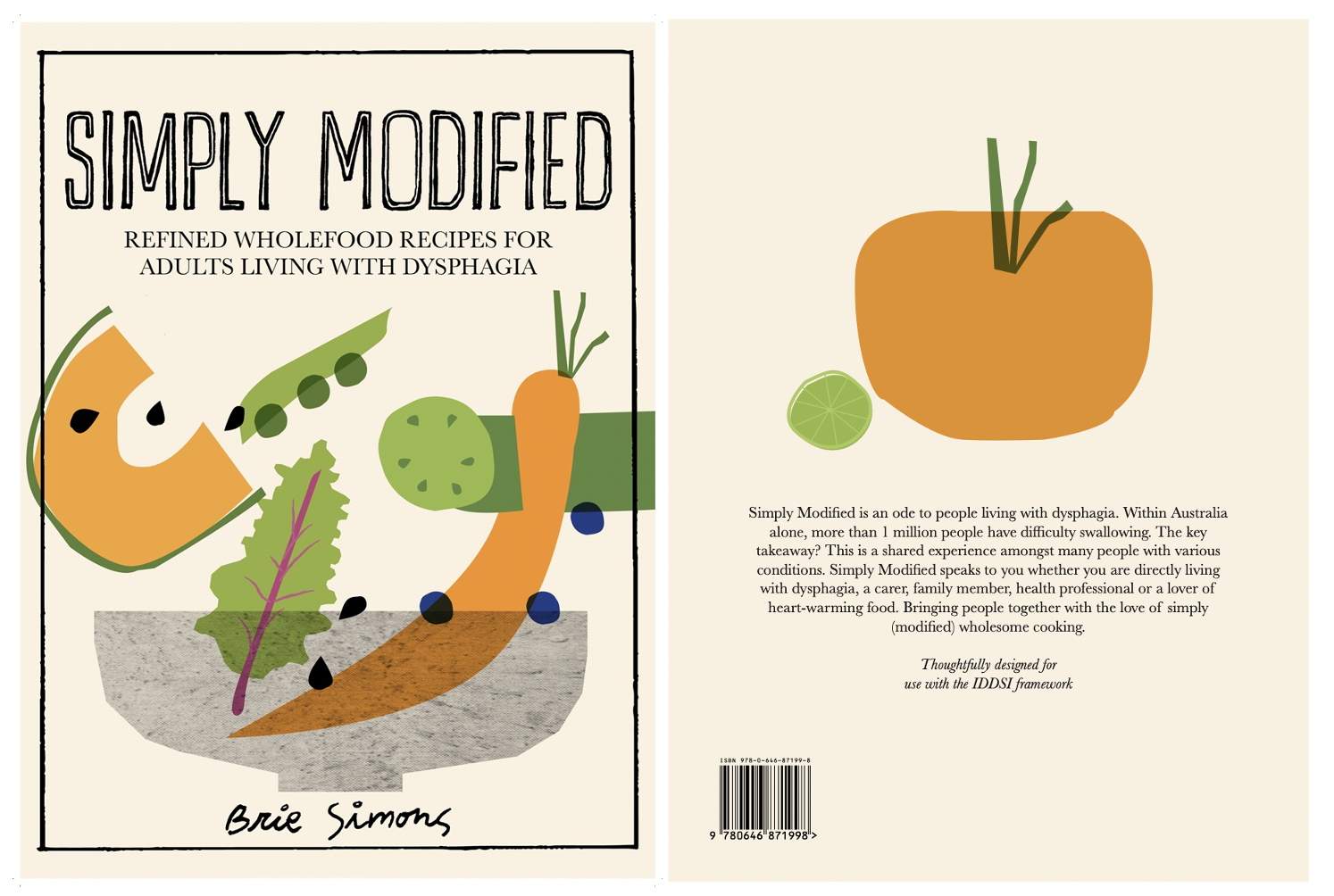
Purchase a copy of Simply Modified.
Written by Speech Pathologist Brie Simons. Including over 50 delicious recipes, with instructions to simply modify meals, making them easy to chew, soft and bite sized, minced and moist, or pureed.
It’s time to fall in love with food all over again…